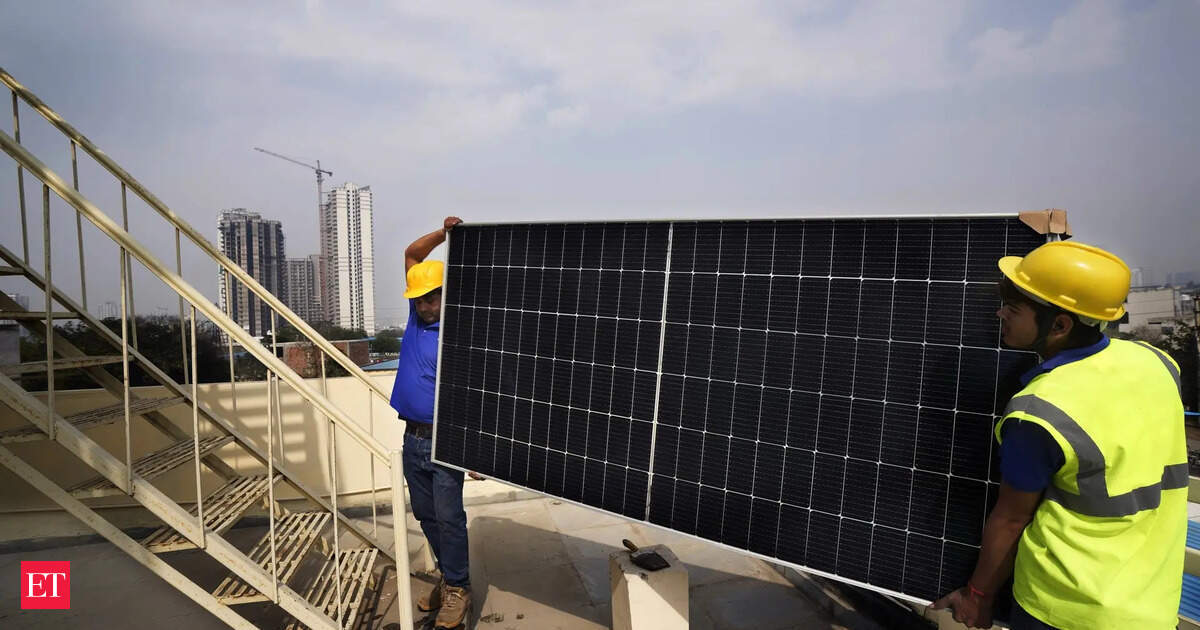
At the same time, in the financial year of April 224 to April, India had added GIGGat in the financial year so far.
Due to the growing middle -class and energy needs, how fast people can go away from coal and other fossil fuels such as gasoline and oil can have a big impact on global efforts to deal with climate change.
Here is India’s clean energy transition and a snapshot of some challenges.
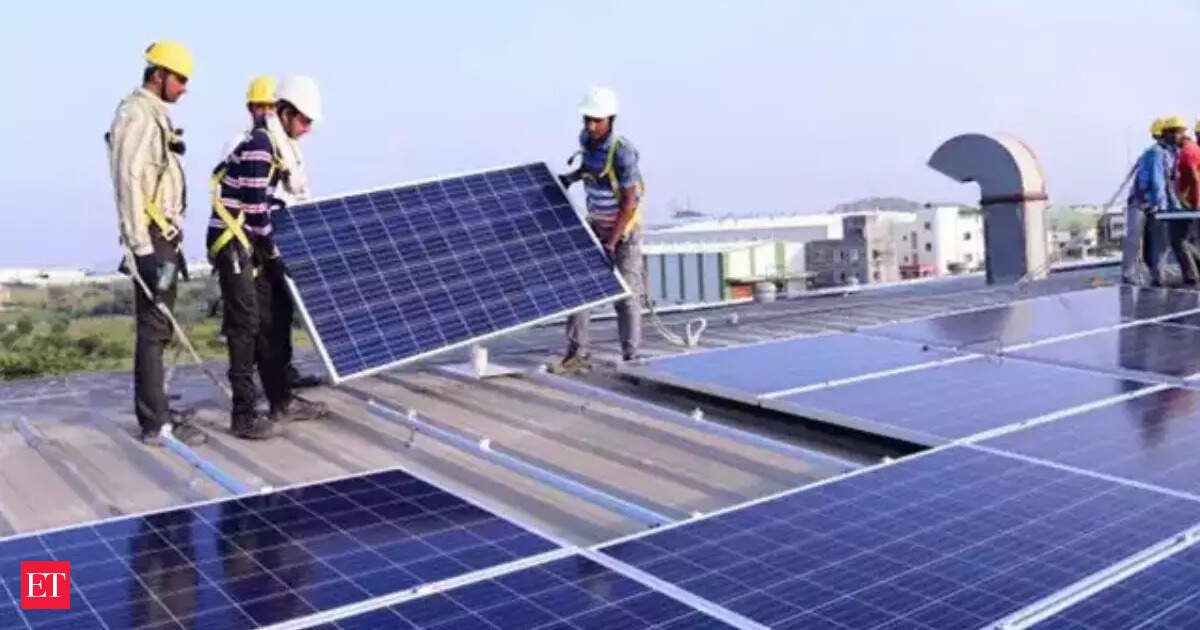
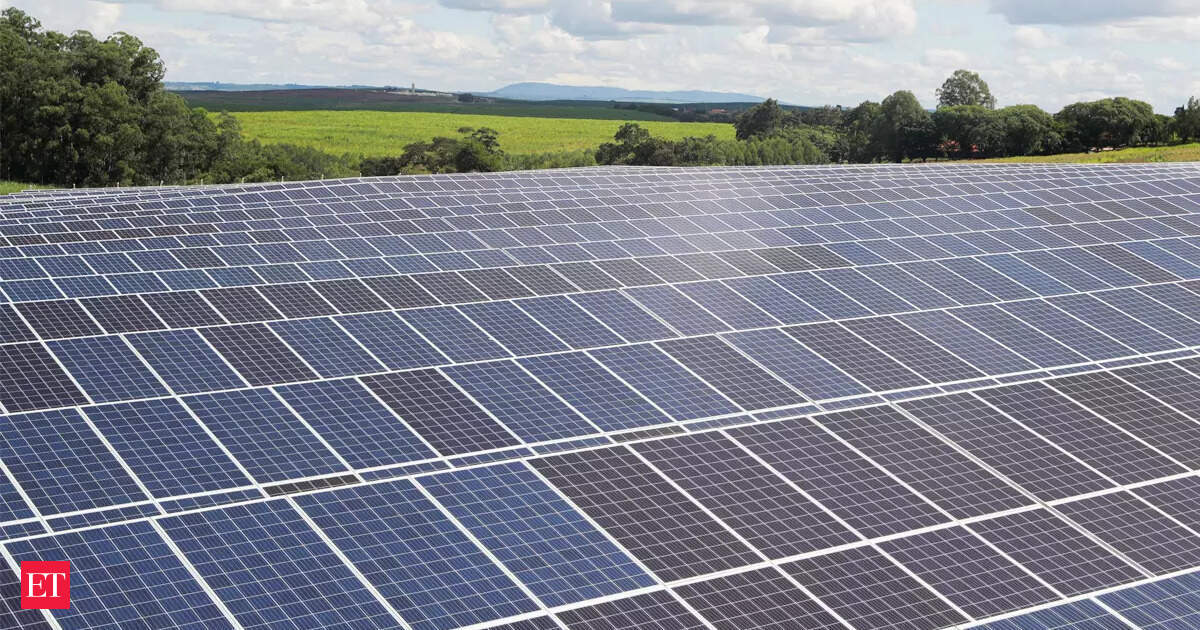
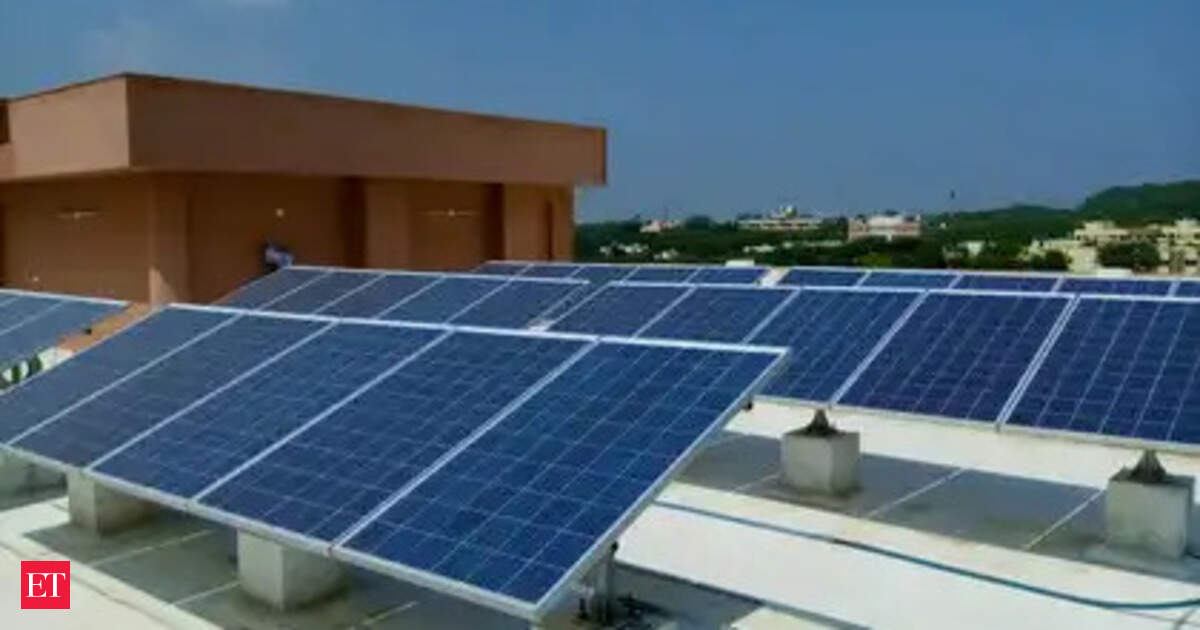
The most economical option is now the most economical energy so that the solar is now half the cost of electricity from new coal-coal plants. The availability of cheap ingredients every year in India and the availability of many sunny days every year is that experts say that the solar power installed in the last decade has increased 30 times.

Rukhita Shah, the energy analyst of the climate think-Tank Amber, said, “Solar energy is the cheapest so far.” Shah added that leaving costs for energy storage in the form of a battery is that the renewable power would be “new normal” even if the sun does not shine or the wind blows. The pipeline has around 170 Gigawat renewable energy projects in India, which are expected to be completed in the next few years. “I have no doubt that it will reach the goal of G-Gigawat by 130,” said Raghav Panchauri, an energy expert at the Think-Tanka Vasudha Foundation in New Delhi.
Experts from government policies and private investment experts say that the increase in renewal has increased by adding approximately 5% of the nominal energy energy capacity of approximately G-Gigawat fuel fuel energy every year for the next five years. When burned, the main driver of fossil fuel climate change release greenhouse gases such as carbon dioxide.
The Federal Government has made the state utilities more renewable electricity, and all the catalyst investment of $ 452 million in investment of $ 452 million in the government’s plan of the 223 government has made the state utilities cheaper for choosing companies to buy clean power by law.
India has the most clean power in the world, and government officials said that in the last decade, the Billion has been invested $ 2 billion in the renewable energy sector. Multiple renewable energy projects in the world’s largest wind and solar power farm have started operation or started construction.
“We have seen home production capacity, at least solar panel modules are considered,” said Madhura Joshi, senior energy analyst in European Think-Tank E3G.
Nevertheless, despite the fast growth, renewable things are reduced, challenges are constant. Foam fuel sources now include 45% of India’s total established capacity, while last year, their share of real power generation was 24%. Coal is a dominant source, which is 75% of the power generation.
According to a New Delhi-based Think-Tank report, New Delhi, India’s share of solar, wind, small hydroelectricity and biomass was 5%, it was 2 in 2014 but was less than expected so far.
The installed capacity is increasing, but the reproduction of renewable electricity must optimize and effectively integrate into the grid, the report shows.
A recent report on clean energy crossroad Clean Energy Think -Tank, RMI reports that electricity demand by 2050 is likely to triple – more electric vehicles, air conditioning and industrial growth.
Land acquisition for clean energy projects is a challenge. In order to enhance clean energy capacity, India must also rapidly increase the fast power transmission infrastructure and energy storage facilities.
“India is expected to become the largest economy in the world in a few years, and I think we need to accept renewable energy to do this. We have no choice because of fossil fuel energy needs,” said Chief Executive Officer of Mumbai-based renewal.
.